
Views: 222 Author: Rebecca Publish Time: 2025-11-12 Origin: Site


Content Menu
● Understanding Automatic Feeder Systems
● The Must-Have Features of Top Automatic Feeder Systems
>> 2. Connectivity and Smart Integration
>> 3. Robust Build Quality and Safety
>> 4. Accurate Portion Control
>> 5. Large Capacity or Modular Design
>> 6. Easy Cleaning and Maintenance
>> 7. Power Backup and Reliability
>> 9. Tamper-Proof and Pest-Resistant Construction
>> 10. Data Logging and Analytics
● Expanded Benefits for Different User Groups
>> Pet Owners
>> Farmers and Livestock Managers
>> Aquarium and Aquaculture Operators
● Selecting the Right Feeder: Factors to Consider
● Real-World Use Cases and Innovations
>> Manufacturing Process Automation
● The Future of Automatic Feeder Systems
● Frequently Asked Questions (FAQ)
>> 1. How does programmable scheduling improve feeding routines?
>> 2. Can I monitor my automatic feeder remotely?
>> 3. What factors should I consider for industrial feeder systems?
>> 4. Are automatic feeder systems safe for outdoor use?
>> 5. How often should I clean my automatic feeder system?
Automatic feeder systems represent one of the most significant advancements in modern feeding solutions for both residential and industrial applications. These systems seamlessly integrate technology and practical design to automate, optimize, and enhance the feeding process, whether for pets at home, livestock on a farm, or components on a manufacturing line. As consumer preferences rapidly evolve and industries increasingly focus on efficiency, the demand for more sophisticated feeder systems grows. Understanding which features set the best automatic feeder systems apart empowers buyers to make informed decisions that will yield tangible long-term benefits.

Automatic feeder systems are designed to automatically dispense measured amounts of food, materials, or parts at predetermined intervals. Their principal goal is to reduce manual labor, ensure consistency, and minimize the risks associated with human error or missed schedules.
- Pet Care: Providing timed, portioned meals for dogs, cats, aquarium fish, birds, and exotic pets while owners are away.
- Livestock Management: Supporting routine feeding for cattle, poultry, swine, and other animals, enabling unattended operation and consistent nutrition.
- Aquaculture: Maintaining scheduled feeding for aquatic species, which is critical for growth and water quality.
- Industrial Automation: Dispensing materials like screws, bolts, powders, or liquids for manufacturing lines, packaging systems, or assembly robots.
- Horticulture: Delivering nutrients to plants in controlled environments, such as greenhouses or hydroponics farms.
Identifying a premium automatic feeder system requires evaluating a blend of technological innovation, build quality, and user-centric features. Let's explore the indispensable features that separate the best systems from the rest.
Among the most crucial advantages is the ability to automate not only the timing but also the frequency and quantity of feedings. Advanced programmable feeders use digital timers, mobile apps, or cloud-based controls to offer flexible schedules that may be tailored to the unique dietary needs of pets, livestock, or operational demands of a production line.
- Multiple feeding times per day or week enable complex routines for different users or animal species.
- Custom portion sizes prevent overfeeding and help regulate weight, health, or supply costs.
- Calendar-based scheduling allows pre-set plans for holidays or business shutdowns, ensuring reliability even during extended absences.
The integration of smart technology is transforming the convenience and functionality of feeder systems.
- Wi-Fi and Bluetooth connectivity allow for easy remote management through smartphones or tablets.
- Smart home/office integration means systems can be linked with services like Alexa, Google Assistant, or IFTTT routines for automation.
- Real-time notifications and alerts keep users updated about successful feedings, jam warnings, or low-stock levels, minimizing the risk of missed feedings or operational downtime.
High-quality feeder systems are engineered to endure demanding environments—whether it's resisting a dog's pawing, deterring raccoons, or operating in variable climates.
- Premium materials, such as food-grade stainless steel, high-impact plastic, or aluminum alloys, ensure durability and food safety.
- Anti-jam mechanisms and backup power safeguards maintain smooth operation.
- Child locks and tamper-resistant features prevent unintended access, keeping contents secure from children, pets, or wildlife.
Precision is paramount, especially for pets on strict diets, sensitive aquatic life, or when handling expensive or hazardous industrial materials.
- Adjustable dispensing increments allow total customization, from tiny amounts for aquarium fish to large rations for livestock.
- Calibration options ensure accuracy and consistency over time.
- Consumption tracking and analytics let users refine feeding regimens, which is particularly important for breeders, farmers, and industry managers.
The right size feeder can dramatically reduce maintenance time and ensure uninterrupted operation.
- High-capacity hoppers or silos are ideal for farms or factories, minimizing refill frequency even during busy periods.
- Modular, expandable setups allow users to increase feeding capacity or add new dispensing points as needs grow.
- Transparent or windowed compartments provide at-a-glance monitoring of supply levels, improving efficiency.
Without proper hygiene, even advanced feeders can become sources of contamination or system malfunctions.
- Removable, dishwasher-safe components make deep cleaning quick and easy.
- Smooth, non-porous surfaces resist feed buildup and bacterial growth.
- Service access ports let maintenance personnel clear blockages or perform repairs without shutting down operations.
Continuous feeding is vital, especially for commercial farms, aquariums, or factories where downtime is costly.
- Dual power supply (battery plus AC) and automatic switchover capabilities are essential for peace of mind.
- Low battery indicators and power-failure alarms help prevent system outages from going unnoticed.
- Industrial-grade systems often include surge protection or redundant circuits for mission-critical reliability.
Intuitive controls ensure that owners and operators of all experience levels can quickly learn and operate the system.
- Large, high-contrast displays and multi-language support cater to a global user base.
- Touchscreen panels and simple control dials focus on clear, error-free input.
- Dedicated support lines, easily accessible user manuals, or in-device troubleshooting guides reduce training time and frustration.
Exposure to pests, wildlife, and environmental hazards can result in feed loss, contamination, or even mechanical failure.
- Pest barriers, secure hatches, and gasket-sealed lids keep rodents, insects, and birds out.
- Anchoring options or heavy bases prevent tipping by large or persistent animals.
- Weatherproof seals maintain feed quality, even in humid or rainy conditions.
Both individual and business users are increasingly data driven.
- Feeding history logs can be exported as spreadsheets, aiding veterinarians, nutritionists, or process engineers.
- Usage analytics offer insights into consumption patterns and identify potential issues such as weight loss, system clogs, or operational inefficiencies.
- Customizable alerts can be configured for abnormal feed rates or mechanical failures, enabling proactive intervention.
Automatic feeders mean never worrying about being home late or forgetting to feed the family cat. High-tech features—like integrated cameras—allow owners to watch feeding happen in real time, record videos for reassurance, and even dispense treats from afar. Some smart feeders sync with fitness trackers or health apps, blending nutrition with digital pet wellness management.
For farmers, large-scale feeders do more than just automate routine chores—they reduce labor costs, improve animal health by ensuring consistent nutrition, and allow for 24/7 operation in remote or hazardous areas. Modern software enables integration with farm management systems, providing real-time data on feeding patterns and animal growth.
Consistent, scheduled feeding is crucial for aquatic life, as over- or underfeeding even once can dramatically affect tank health. Automated feeders built for aquaculture provide micro-dosing, slow-release feeding, and integration with temperature or oxygen sensors for comprehensive ecosystem management.
In manufacturing, feeder systems drive productivity and quality by eliminating bottlenecks and ensuring a steady supply of parts or materials. The ability to log every cycle, predict maintenance needs, and remotely adjust schedules helps maintain lean, efficient operations. Modular solutions can grow alongside increasing production capacity.
Making the best choice for an automatic feeder system involves more than just picking the model with the most features. Here are some vital considerations:
- Feed or material characteristics: Ensure the feeder can handle the size, shape, and moisture content of your food, parts, or materials.
- Capacity and scale: Choose a hopper, bin, or cassette size that matches your usage pattern and minimizes refill intervention.
- Environment: Select weatherproof, UV-resistant, or anti-corrosion systems for outdoor or marine environments.
- Integration and support: Investigate app compatibility, firmware update policies, and the reputation of customer service teams.
- Maintenance cycles: Prioritize feeders that are easy to disassemble, clean, and service.
- Cost vs. value: Evaluate total cost of ownership, including parts, consumables, power use, and downtime reduction.
Smart pet feeders now offer facial recognition for multi-pet households, adjusting meal portions for each animal. Some connect with veterinary record platforms or offer vitamin supplement dispensers that administer prescribed doses alongside routine meals.
Feeder systems in modern poultry farms can automatically separate different age groups, deliver variable feed mixes, and even weigh animals during feeding for advanced health management. By connecting to big-data agritech platforms, farmers can make evidence-based adjustments to boost yield and reduce waste.
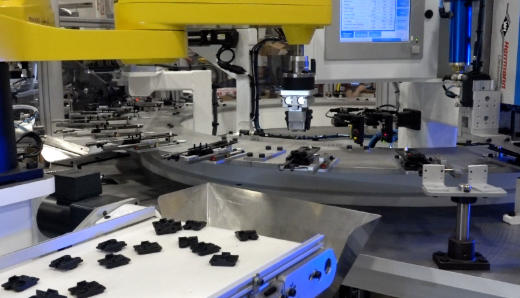
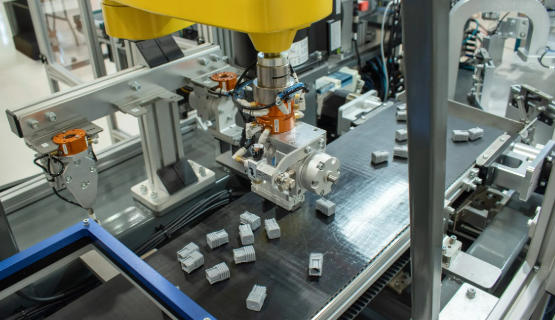
Highly specialized vibratory or centrifugal feeders keep assembly lines running smoothly in electronics, auto, or pharmaceutical industries. When integrated with AI vision systems, feeders can self-adjust for material inconsistencies, further reducing human intervention.
With ongoing advances in AI, IoT, and robotics, feeder systems are set to become even more sophisticated and adaptive. Predictive algorithms will enable feeders to adjust schedules based on weather forecasts, animal activity, or production line feedback. Integration with cloud-based analytics platforms will allow businesses and individuals to track trends, receive maintenance reminders, and even reorder supplies automatically.
The best automatic feeder systems blend durability, technological innovation, ease of use, and adaptability across residential and industrial scenarios. Whether it's programmable scheduling for precise meals, smart connectivity for total control, or rugged construction for demanding environments, these features work together to deliver convenience, efficiency, and peace of mind. As automation continues shaping modern living and commerce, investing in a high-quality feeder system stands to boost productivity, improve animal welfare, and support healthier, more hands-free lifestyles. Careful selection based on real-world needs ensures maximum return on investment and future-proofs feeding operations for years to come.
Programmable scheduling reduces manual intervention and ensures pets, livestock, or machinery receive precise meals at regular intervals. This consistency supports animal health, improves productivity, and eliminates worry about missed feedings.
Many top systems now feature Wi-Fi or Bluetooth connectivity, allowing you to check feeding status, adjust settings, receive alerts, and sometimes even watch live video feeds from anywhere with an internet connection.
Look for features such as build quality, hopper or bin capacity, accuracy of portion control, compatibility with your automation platform, safety mechanisms, and whether the system offers real-time data analytics that integrate with your existing workflows.
Premium feeder systems use weather-resistant, pest-proof materials and durable construction to keep feed fresh and secure. Always verify IP (Ingress Protection) ratings and review manufacturer recommendations for outdoor deployment.
Regular cleaning is essential to maintain hygiene and performance. Many feeders now have removable, dishwasher-safe compartments that make cleaning quick and easy—aim for at least weekly cleaning, or more for moist or perishable feeds.


