
Views: 222 Author: Rebecca Publish Time: 2025-10-13 Origin: Site


Content Menu
● The Role of Uncoiler Machines
>> Why Are Uncoilers Essential?
● Improving Precision: Key Mechanisms
>> 1. Consistent Tension and Speed Control
>> 2. Digital Controls for Precision Synchronization
>> 4. Interoperability with Smart Factory Systems
● Benefits for Kitchenware Manufacturing
>> 1. Superior Consistency Across Products
>> 2. Reduced Scrap and Material Waste
>> 3. Boosting Throughput and Operational Speed
>> 4. Adapting to Varied Kitchenware Lines
>> 5. Improved Employee Ergonomics and Safety
● Technical Features and Innovations
>> 1. Mandrel Expansion Systems
>> 2. Advanced Control Panels and Programmable Logic
>> 3. Quality Construction and Industrial Durability
>> 4. Integrated Straightener and Feeder Modules
>> 5. Self-Diagnostic and Safety Systems
● Advancements in Coil Handling Automation
>> 1. Automated Coil Loading and Upenders
>> 2. Laser and Sensor-Based Loop Control
>> 3. Automation Trends in 2025
● Integrating Uncoilers: Best Practices
● Sustainable Production and Worker Safety
● Case Studies and Real-World Examples
>> Stainless Steel Cookware Factory
>> Rapid Response Batch Production
● FAQ
>> 1. How does an uncoiler machine prevent material damage?
>> 2. Can uncoilers handle different metals used in kitchenware?
>> 3. What are the key safety features to look for in uncoiler machines?
>> 4. How do uncoilers improve production efficiency?
>> 5. Are there specific uncoiler machine types recommended for high-precision kitchenware lines?
In the competitive world of kitchenware manufacturing, precision is the foundation of product quality and productivity. Modern manufacturers demand streamlined workflows and flawless materials, particularly when shaping metal coils into pans, pots, and utensils. Among the most critical yet often overlooked pieces of equipment powering this precision revolution is the uncoiler machine. This article explores how uncoilers advance precision and efficiency in kitchenware production by combining modern engineering, automation, and safety systems into a single, transformative solution.

An uncoiler machine (also called a decoiler) is designed to hold and unwind heavy metal coils with stability and accuracy, feeding them smoothly into downstream equipment. Most kitchenware lines depend on uncoilers to start their process, whether working with stainless steel or aluminum destined for cookware and utensils. Uncoilers automate the uncoiling process, ensuring the raw material is presented at precisely the right speed and tension for further processing, which is especially crucial for high-speed production lines.
The kitchenware industry requires smooth surfaces and consistent dimensions. Uncoilers prevent wrinkling, misalignment, and surface scratches by handling coils automatically, eliminating manual errors and maintaining uniform tension throughout the entire feed process. These machines become indispensable when the scale of production increases, maintaining efficiency and uniformity batch after batch.
Modern uncoilers are equipped with hydraulic or servo-driven tensioning systems that maintain exact force on the metal strip. This precision ensures that metal enters stamping or forming machines without excessive slack or stress, keeping shapes and finishes accurate and uniform.
Integration of uncoilers with advanced digital controls allows synchronization with stamping presses, straighteners, and feeders. Automated systems regulate feed rates dynamically, adapting to changing line speeds or specifications—driving up production accuracy and consistency.
With automated coil clamping and programmable expansion, uncoilers eliminate the risks of improper loading, misalignment, and deformation. Operator involvement is limited to oversight and occasional adjustments, maximizing reliability and reducing defects.
Uncoilers increasingly work within smart factory environments, exchanging data and operating automatically alongside other machinery. Big data analytics and remote monitoring further ensure every coil is fed perfectly, as programmed, every time.
Smooth, uninterrupted coil feed yields kitchenware items—pans, lids, utensils—with consistent sizes, shapes, and finishes. This minimizes variance and maintains high standards from one production run to the next.
By maintaining steady coil tension and positioning, uncoilers reduce offcuts and reject rates. Controlled feeding cuts down on waste, lowering costs and enhancing sustainability within the manufacturing process.
Automated coil handling dramatically improves process speed and reduces interruptions. Uncoilers can feed material at rates tailored to fast-moving lines, allowing manufacturers to deliver higher output without sacrificing precision.
Uncoilers engineered for versatility can handle multiple coil sizes and material types, supporting rapid changeovers and new product launches. This flexibility is a major asset as kitchenware manufacturers compete in dynamic international markets.
Automation limits manual coil handling tasks, keeping workers safe from strain and injury. Emergency stops, interlocks, and physical guards provide added layers of protection, ensuring compliance with modern safety standards.
Mandrels with mechanical or hydraulic expansion securely clamp coils ranging from a few kilograms up to 25 tons. Rapid coil changes and stable loading mean less downtime and safer workplace conditions.
Digital panels and logic controllers allow operators to adjust parameters such as tension, feed speed, and coil diameter. This layer of control is essential for adjusting the machine to different metals and batch sizes, ensuring optimal feeding at all times.
Industrial-grade uncoilers are built from robust steel frames, equipped with protective coatings and high-quality electronics, ensuring reliable operation in harsh factory environments for many years.
The latest generation of uncoiler-straightener-feeder combos combine all material handling functions into one unit, controlled from a single touchscreen. These integrated lines guarantee perfectly flat, evenly fed material for stamping and forming, minimizing production errors.
Uncoilers now feature self-diagnosis, alarms, automatic lubrication, and material-end detection, minimizing unexpected outages and helping maintenance teams prevent costly downtime.

Innovations such as automated coil upenders and hydraulic lifts make loading and positioning coils much easier and safer. Wear-resistant coil cars and adjustable baffles provide stability during movement and alignment, especially for specialty kitchenware metals.
Laser loop control systems regulate the accumulation of material, aligning uncoiling rates with the downstream process. This minimizes abrupt changes, maintains continuous feeding, and prevents machines from idling, all while protecting materials from damage.
Increasingly, kitchenware manufacturers are moving to fully automated coil handling systems, integrating digital sensors, remote monitoring, and big data analytics to optimize workflows. Automation reduces manual labor, boosts productivity, and leads to greater safety and sustainability in metalworking environments.
- Analyze Batch Needs: Clearly understand coil sizes, material types, and production speeds required.
- Select Smart and Digital Controls: Machines with touch-screen panels and automation interfaces are easier to customize and integrate.
- Design for Rapid Changeover: Customizable mandrels, modular components, and programmable settings enable quick switches between kitchenware product lines.
- Prioritize Safety and Ergonomics: Choose machines with emergency stops, protective guards, and ergonomic controls to improve the working environment.
- Maintain Regular Inspections and Preventive Maintenance: Proactive service keeps machines running smoothly and maintains peak precision over the long term.
- Serious About Sustainability: Opt for uncoilers with lower power consumption, advanced hydraulic systems, and reduced material waste to support greener, more responsible manufacturing.
Hydraulic and servo-driven uncoilers consume less energy and minimize scrap, contributing to environmentally friendly production. These advancements allow kitchenware manufacturers to achieve operational goals while reducing their ecological footprint.
Minimizing manual coil handling and automating dangerous tasks makes today's shop floors much safer. Engineering controls ensure that heavy coils are always stable and that risk to operators is minimal.
Sustainability and safety aren't just ethical needs—they bring real savings by reducing re-work, scrap rates, and downtime, keeping manufacturing competitive for years to come.
A Chinese factory producing steel pans adopted digital uncoiler-straightener-feeder systems, increasing first-pass yields to over 97%, lowering defect rates, and cutting material waste by nearly one-fifth.
A European kitchenware line upgraded to hydraulic mandrel uncoilers with programmable touch-panel controls. Batch changeover times dropped from half an hour to under ten minutes, allowing more customer orders to be fulfilled with less downtime and greater product flexibility.
Uncoiler machines are the backbone of precision in kitchenware manufacturing, transforming raw coils into perfectly fed materials ready for shaping, stamping, and finishing. Today's automated, digitally controlled, and integrated uncoilers drive efficiency, sustainability, and safety, elevating every batch and product line to new heights of quality. As competition intensifies, the adoption of advanced uncoiler technology ensures manufacturers deliver consistent excellence, meet global standards, and preserve their reputation in markets worldwide.
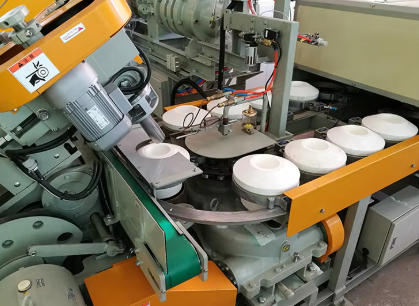
Uncoiler machines employ advanced tension control and secure mandrels, keeping metal feed smooth and steady to avoid stretching, wrinkling, or surface scratches during uncoiling.
Modern uncoilers are configurable for various coil sizes, thicknesses, and metals—including stainless steel, aluminum, and specialty alloys—to suit different kitchenware products.
Emergency stops, physical guards, interlocks, controlled coil expansion, touch-screen panels, and sensor-based monitoring systems ensure operator safety in high-speed manufacturing environments.
Uncoilers automate coil loading and feeding, maintain continuous material supply, minimize downtime, and increase line speed, enabling manufacturers to boost output and reduce waste.
Servo-driven and hydraulic uncoilers with digital controls and integrated straightener-feeder modules deliver best results—ensuring accurate feeding, fast adjustments, and superior product consistency.


