
Views: 222 Author: Rebecca Publish Time: 2025-11-08 Origin: Site


Content Menu
● What Is an Automatic Feeder System?
>> Key Features
● Types of Automatic Feeder Systems
>> Flex Feeders
● Core Benefits for High-Volume Manufacturers
● Criteria for Selecting the Optimal Feeder System
>> Reliability and Maintenance
● Advanced Technologies in Automatic Feeder Systems
>> Spring Separator Feeder for Metal Component Manufacturing
>> Dual Feeder System for Medical Packaging
>> Tiny Parts Feeder for Electronic Components
>> Flexible Feeder System for Construction Equipment Parts
>> Centrifugal Feeder for Coffee Pod Packaging
>> Automated Pig Feeding Systems in Agriculture
● Implementation Strategies for Feeder System Integration
● Maintenance and Troubleshooting Best Practices
● Regulatory and Standards Considerations
● Regional Trends and Future Developments
>> Asia-Pacific
● Frequently Asked Questions (FAQ)
>> 1. What are the main types of automatic feeder systems?
>> 2. How does automation impact manufacturing efficiency?
>> 3. What industries benefit most from automatic feeders?
>> 4. How long does it take to see ROI from feeder system investment?
>> 5. What maintenance practices ensure maximum feeder system longevity?
Automatic feeder systems have fundamentally transformed high-volume manufacturing across nearly every industry, driving efficiency, consistency, and scalability. These systems automate the often labor-intensive process of delivering bulk material, components, or products to machinery or assembly stations, enabling operations to thrive under demanding production schedules.
Understanding the range of feeder technologies, their unique advantages, selection criteria, and the latest industry advancements is crucial for manufacturers aiming to remain competitive. This article offers an authoritative guide to the best automatic feeder systems, structured with proper H-tags and organized into sections for maximum clarity.

An automatic feeder system is an advanced mechanical and/or robotic device engineered to supply parts, products, or materials into a manufacturing line in a continuous, accurate, and automated manner. These systems range from simple vibratory bowls for part feeding to sophisticated vision-guided robots and fully integrated conveyor and hopper solutions.
- High-speed operation to match or exceed production targets
- Precision in part orientation, selection, and delivery
- Flexibility to accommodate various shapes, sizes, and materials
- Programmable control for quick adjustment and changeover
- Robust integration with factory automation platforms
Vibratory bowl feeders are widely used due to their speed, precision, and adaptability. They can handle diverse part geometries by leveraging vibration and unique tooling to sort and orient components reliably.
Flex feeders utilize a combination of vision technology and robotics to pick parts presented in random orientations, offering unmatched flexibility for high-mix, low-volume applications and rapid product changeovers.
Conveyor feeders are ideal for moving bulk material or products over long distances within a production facility. Their modular design supports integration with other automation equipment.
These feeders are designed for delicate, small, or complex parts that may require gentle handling or unique motion profiles, ensuring performance without damaging products.
Custom feeders are designed to solve highly specific challenges—such as extremely high throughput, integration with unique machinery, or handling specialized materials.
Automatic feeder systems provide transformative advantages, including:
- Consistent and high-speed throughput for demanding production environments
- Significant reduction in manual labor, associated costs, and human error
- Enhanced part traceability and quality control
- Improved workplace safety and ergonomics
- Scalability and adaptability for future manufacturing expansion
Select systems rated for your maximum required throughput, ensuring production bottlenecks are eliminated.
Consider feeder technologies that can handle a range of part sizes, materials, and shapes for changing product lines.
Opt for proven technologies with minimal downtime and straightforward maintenance protocols.
Choose feeder systems that support digital connectivity, allowing seamless interfacing with robots, conveyors, and factory control systems.
Work with suppliers who provide extensive technical support, engineering services, and tailored solutions for unique challenges.
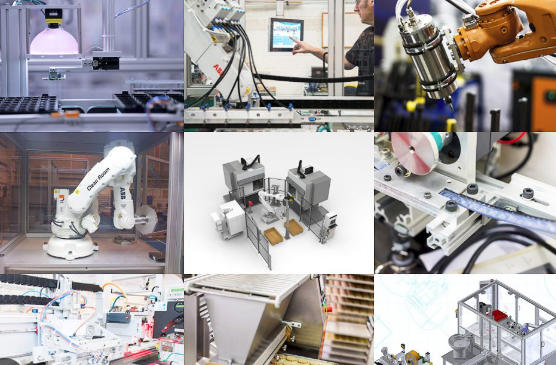
Advanced feeders now leverage machine vision to identify, select, and orient parts, enabling on-the-fly adaptation and handling of complex arrangements without mechanical tooling changes.
Smart feeders equipped with sensors and Internet of Things (IoT) technology provide real-time monitoring of system performance, predictive maintenance alerts, and data-driven optimization.
Artificial intelligence algorithms can detect defects, misfeeds, or orientation errors in real-time, dramatically increasing reliability and product quality.
A manufacturer faced the challenge of detangling and feeding conical springs at 140 parts per minute for assembly. A custom vibratory feeder system was designed, equipped with specialized tooling to separate bulk springs and deliver parts consistently. The automation resulted in reduced labor, eliminated line stoppages due to tangling, and increased output.
A medical packaging company required synchronized feeders for vials and caps in an automated assembly and labeling system. The feeders were integrated with robotics to streamline orientation and placement at high speed, resulting in improved throughput and fewer packaging errors.
A spark plug manufacturer needed to feed ultra-small iridium electrodes for assembly. Specialized vibratory bowl feeders were engineered with precision sorting and high-resolution sensors to ensure exact feeding and placement, eliminating manual inspection.
A construction equipment company introduced a flexible feeding system with steel cleated “S” conveyors and inline vibratory separator trays. Vision-guided robots picked parts from trays, with vibration speed controls and feedback sensors ensuring uninterrupted replenishment and pick accuracy. This system improved parts handling for a wide variety of heavy castings and large geometric shapes.
A food manufacturer implemented centrifugal feeders with prefeeders to orient coffee pods at a rate of over 500 pieces per minute, allowing for consistent presentation and rapid packaging with minimum product damage or variation.
A swine operation transitioned from manual feeding to automated systems, reducing feed costs through better scheduling and minimizing waste. The new system paid for itself through improved feed conversion ratios, healthier animals, and streamlined labor.[5]
Begin with a thorough assessment of your production goals, product specifications, and line layout. Collaboration between engineering, operations, and automation specialists is crucial.
Select experienced suppliers with proven track records in your industry who offer onsite assessment, customization, and post-installation support.
Install equipment according to manufacturer recommendations, ensuring optimal placement for integration and accessibility. Comprehensive operator, maintenance, and troubleshooting training are essential for sustained performance.
Monitor system performance using built-in analytics or manual audits. Use production data to fine-tune feeder settings, enhance throughput, and avoid small issues becoming chronic problems.
- Schedule regular inspection and preventive maintenance based on manufacturer guidelines
- Replace wear parts such as vibratory motors, trays, and tooling at recommended intervals
- Calibrate sensors, controllers, and vision systems regularly for accuracy
- Train maintenance staff in diagnostic techniques for rapid root cause identification
- Keep detailed maintenance logs to track equipment history and anticipate future needs
Automatic feeder systems in food, pharmaceutical, and medical device industries must comply with industry-specific regulations, such as FDA, GMP, and ISO guidelines. Consider sanitary design and material selection for feeders used in sensitive environments.
The cost of an automatic feeder system depends on design complexity, customization, and integration level. The ROI is typically realized through:
- Increased throughput and volume
- Lower labor expenses and staff reallocation
- Decreased error rates and waste
- Enhanced process repeatability and traceability
- Reduced workplace injury and liability
Manufacturers often recover their investment within one to three years, depending on system scale and application.
China, Japan, and South Korea are leading adopters of automation in manufacturing, leveraging feeder system advancements for electronics, automotive, and packaging industries.
Stringent quality regulations and advanced R&D drive adoption of smart feeder systems, with a focus on sustainability and energy efficiency.
Expect integration of AI, cloud analytics, and autonomous self-optimizing feeders, enhancing productivity, flexibility, and predictive maintenance capabilities worldwide.
Selecting the best automatic feeder system for high-volume manufacturers demands a thorough understanding of system types, integration strategies, and industry best practices. Vibratory bowl feeders, flex feeders, conveyors, and custom-engineered solutions each offer specific strengths. Successful implementation is anchored in clear planning, robust supplier partnerships, preventive maintenance, and ongoing optimization. The world's leading suppliers have demonstrated, across industries, how advanced feeder systems unlock new levels of productivity, quality, and scalability. As automation advances, feeder systems will play an increasingly central role in shaping future manufacturing operations.
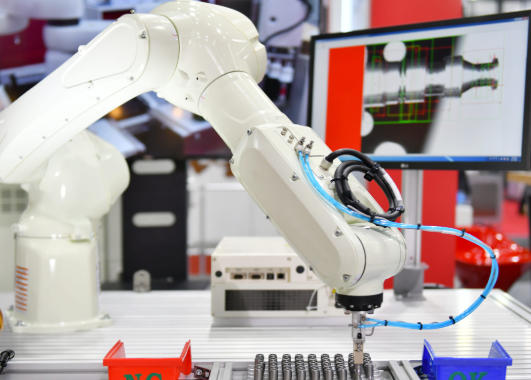
There are several main types: vibratory bowl feeders, flex feeders, conveyor feeders, step and piezo feeders, and custom-engineered systems. Each is suited to different part types, batch sizes, and integration requirements.
Automated feeder systems increase throughput, reduce labor dependency, improve product quality, and create repeatable, scalable processes that support rapid growth and adaptation.
Automatic feeder systems are vital in electronics, automotive, medical device, pharmaceutical, food processing, and agriculture industries—anywhere high-volume, consistent part or material delivery is required.
Most manufacturers realize ROI in one to three years, depending on system scale, application, and achieved improvements in throughput, labor savings, and product quality.
Routine inspection, scheduled preventive maintenance, timely replacement of wear parts, regular calibration, staff training, and maintaining thorough logs are essential for reliable, long-term operation.


