
Views: 222 Author: Rebecca Publish Time: 2025-10-30 Origin: Site


Content Menu
● What Is an Automatic Feeder System?
>> Key Functions and Technologies
● 1. Enhanced Production Efficiency
● 2. Unmatched Consistency and Quality
● 3. Reduced Labor Costs and Improved Safety
● 4. Flexibility for Batch Production and Customization
● 5. Waste Minimization and Process Optimization
● Technical Developments in Feeder Systems
● Case Studies: Real-World Applications
● Impact on Kitchenware Market Competitiveness
● Environmental and Sustainability Benefits
● Training and Workforce Adaptation
● Practical Guidance for Kitchenware Manufacturers
● FAQ
>> 1. How does an automatic feeder improve kitchenware quality?
>> 2. Can automatic feeders handle different kitchenware sizes and shapes?
>> 3. What labor savings can be expected from automation?
>> 4. How is maintenance managed for these systems?
>> 5. Are there environmental benefits to using automatic feeder systems?
The global kitchenware industry has evolved rapidly, with manufacturers increasingly adopting innovative automation technologies to remain competitive. Among these innovations, the automatic feeder system stands out as a cornerstone for high-efficiency, high-quality, and cost-effective production. An automatic feeder system is designed to deliver materials — whether raw, semi-finished, or finished components — to machinery or assembly lines with precision and minimal human intervention. This comprehensive article explores the top five benefits of using automatic feeder systems in kitchenware production, delves into technical and operational details, and offers actionable insights for manufacturers aiming to leverage automation for greater success.

Automatic feeder systems are machines engineered to automate the supply of components, materials, or products in manufacturing processes. They come in many forms including vibratory bowl feeders, conveyor feeders, robotic feeders, and flexible feeders, depending on the specific requirements of each production line and product type.
- Orientation and Alignment: Feeders orient and align products correctly before advancing them to the next stage, ensuring smooth downstream processing.
- Continuous Flow and Synchronization: These systems provide an unbroken stream of parts or materials, reducing idle time and maximizing throughput.
- Programmability: Modern systems can be programmed for different parts, lengths, and production speeds, supporting agile, adaptable manufacturing.
- Integration with Robotics & Vision: Many systems incorporate robotic pick-and-place functions and machine vision for precise inspection, sorting, and placement.
Automatic feeder systems are pivotal for kitchenware manufacturers seeking to optimize efficiency, quality, flexibility, and profitability.
Efficiency is paramount in kitchenware production, where speed, accuracy, and uptime directly impact competitiveness. Automatic feeder systems offer several efficiency advantages:
- Increased Throughput & Speed: Feeders can deliver thousands of components per hour with consistent timing, eliminating manual bottlenecks and maximizing output.
- Reduced Downtime: Automated feeding reduces machine jams, mis-feeds, and manual intervention, ensuring production lines run steadily and predictably.
- Support for 24/7 Operations: With minimal need for operator attention, factories can run multiple shifts or continuous production, scaling capacity without proportionally increasing labor costs.
- Optimized Cycle Times: As feeders manage component delivery at the ideal pace, machine utilization and operational efficiency reach new heights.
Manufacturers equipped with automatic feeders report significant improvements in production speed and sustained operational performance, leading to larger batch sizes and improved return on investment.
Automatic feeder systems revolutionize quality assurance by standardizing the delivery and orientation of parts:
- Elimination of Human Error: With automated sorting and placement, the risk of incorrectly fed components drops dramatically.
- Reliable Inspection and Selection: Integrated machine vision can reject imperfect parts early, ensuring only top-quality components proceed to final assembly.
- Consistent Product Outcomes: The repeatable, programmable nature of feeding systems means kitchenware items — such as stainless steel cutlery, pots, and lids — meet strict specifications with every production run.
- Surface Protection: In operations like stamping stainless steel pot lids, servo feeders ensure gentle handling, reducing surface defects such as scratches and dents that are unacceptable in premium products.
By stabilizing input quality and orientation, feeder systems underpin robust quality control, making them indispensable in modern kitchenware plants.
Automatic feeder systems dramatically change the labor landscape in manufacturing:
- Labor Reduction: Manual feeding is time-intensive and repetitive. Automation allows staff to move from tedious tasks to skilled, creative roles that add more value.
- Lower Payroll Costs: Fewer operators are needed for manual feeding, translating to payroll savings and better utilization of human resources.
- Safer Work Environment: By reducing manual involvement near high-speed equipment, feeders decrease the risk of injuries and support compliance with workplace safety regulations.
- Effortless Oversight: Operators can supervise multiple automated lines simultaneously, rather than being confined to manual feeding duties.
The shift boosts morale and safety, and facilitates more efficient factory organization.
Today's market demands versatility and responsiveness. Automatic feeder systems offer key advantages:
- Fast Changeovers: Modular, reprogrammable feeders facilitate rapid transitions between product types or sizes, minimizing downtime during batch or custom runs.
- Support for Product Variety: Feeders can handle diverse kitchenware components — from forks and spoons to wide, shallow pots — on the same or reconfigurable lines.
- Agility for Market Trends: As consumer preferences shift, manufacturers can quickly adapt feeder programs to new shapes, finishes, or functional parts.
- Integration with Smart Factories: Automation synchronizes with digital controls, enabling batch-tracking, process optimization, and instant changeover logging for traceability.
This flexibility helps kitchenware brands keep pace with demand fluctuations and maintain a competitive edge.
Beyond speed and flexibility, feeders help manufacturers minimize waste and continuously improve operations:
- Reduced Material Scrap: Precise orientation and positioning prevent jams, mis-feeds, and damaged components, lowering scrap rates significantly.
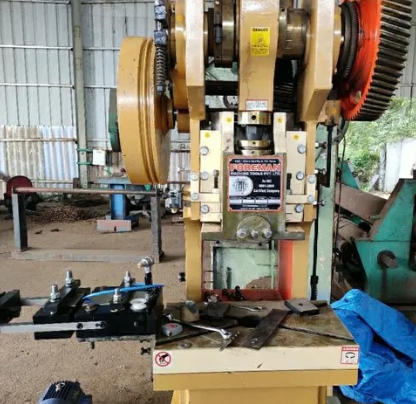
- Die and Tool Protection: Consistent feeding in stamping and forming processes reduces wear and tear on expensive dies and tooling, prolonging equipment lifespan.
- Integrated Inspection: Some feeders include built-in sensors or vision systems, rejecting faulty components before they proceed, further reducing waste.
- Data-Driven Improvement: Feeders integrated with smart factory software can collect operational data for continuous process improvement using lean manufacturing principles.
The result is a greener operation with lower costs, improved sustainability, and increased overall equipment effectiveness (OEE).
Innovation in feeder technology is continual:
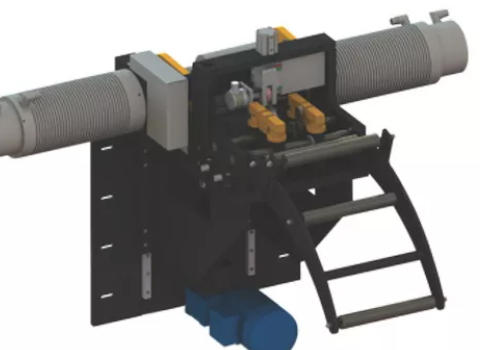
- NC Servo Feeders: Offering programmable accuracy, these feeders are ideal for high-end kitchenware stamping. Speed and feed length can be adjusted instantly with digital controls, supporting perfect formation and minimizing surface damage.
- Robotic Flex Feeders: These combine traditional feeding mechanisms with robotic pick-and-place and machine vision to manage even complex or sensitive items. Perfect for batch manufacturing and automated inspection.
- Modular Design: Today's feeders often feature modular components, making them easier and faster to upgrade or reconfigure for different production needs.
Such technology enables manufacturers to maximize efficiency, even for intricate kitchenware or customized designs.
Factories that have adopted advanced feeder systems report:
- Productivity increases of 30-40% within the first few months.
- Defect rates dropping to below 2%, supporting stringent quality targets.
- Annual labor savings reaching six figures for mid-size plants.
- Improved environmental footprint due to minimized waste and energy savings.
- Greater ability to fulfill customized or limited-run orders — vital for niche or high-value market segments.
These success stories highlight the transformative effect of feeder automation on kitchenware manufacturing, enabling both large-volume and innovative, flexible production.
Automatic feeder systems bring several strategic benefits for kitchenware manufacturers:
- Faster time-to-market: Accelerates prototype development and mass production.
- Higher customer satisfaction: Ensures consistent quality and fast order fulfillment.
- Scalable operations: Allows for easy scaling up or down based on market demand.
- Marketing advantages: Enables manufacturers to offer mass-customized products, limited editions, or unique features at competitive cost.
Leading kitchenware brands leverage automatic feeders to distinguish their products in terms of quality and availability.
The adoption of automatic feeders also brings ecological advantages:
- Less waste: Reduced scrap and rejected parts mean less landfill impact and more efficient resource use.
- Lower energy consumption: Efficient feeding aligns with optimized machine cycles, reducing unnecessary power draw.
- Extended equipment lifespan: Gentle, precise feeding reduces the frequency of costly repairs or replacements.
Factories integrating feeder automation can report progress toward sustainability goals — important for both regulatory compliance and brand reputation.
With automation comes the need for new skills:
- Upskilling opportunities: Operators learn to program, maintain, and optimize feeder systems — enhancing career potential.
- Enhanced job satisfaction: Staff become supervisors, technical support, or QA specialists instead of repetitive laborers.
- Collaborative human-machine environments: Future factories blend human intuition with machine consistency for superior results.
Investing in workforce training maximizes the benefits of feeder technology and prevents skill gaps.
To successfully implement an automatic feeder system, manufacturers should:
- Assess existing production lines: Understand bottlenecks and inefficiencies that could be solved by automation.
- Select appropriate feeder types: Consider product size, shape, material, and production speed for choosing bowl feeders, conveyors, servo, or robotic systems.
- Plan for integration: Ensure new feeders can communicate with current machinery, ERP systems, and quality control protocols.
- Budget for ongoing maintenance: Automated systems require periodic checks, upgrades, and preventive care for peak performance.
- Monitor performance: Use operational metrics to track throughput, defect rates, and cost savings, adjusting processes as needed.
Such strategic steps maximize investment and future-proof production against industry changes.
Automatic feeder systems represent a pivotal advancement in kitchenware manufacturing. By optimizing efficiency, standardizing quality, cutting labor costs, and minimizing waste, these systems empower factories to meet market demands with agility and precision. Flexible configuration, integrated inspection, and digital controls position feeder systems as essential elements in modern, competitive, and sustainable production environments. Manufacturers who embrace feeder automation not only enjoy immediate operational gains but also secure long-term advantages in a fast-evolving marketplace.
Automated feeders deliver materials in precise orientations and quantities, resulting in fewer defects and superior product consistency.
Yes, modern feeders are highly adaptable and can be reprogrammed or reconfigured for a wide range of component varieties, supporting batch and custom runs.
Manufacturers often see dramatic reductions in manual labor, payroll, and workplace accidents, as automation frees staff for higher-skilled roles.
Most feeder systems are modular for swift repairs. Predictive maintenance features further minimize downtime and support long-term reliability.
Efficient feeders minimize waste, reduce energy use, and contribute to environmentally friendly operations by improving material handling and lowering scrap rates.


