
Views: 222 Author: Rebecca Publish Time: 2025-11-12 Origin: Site


Content Menu
● The Role of Automatic Feeder Systems in Modern Manufacturing
>> What is an Automatic Feeder System?
>> Why Are Feeder Systems Indispensable?
● Types of Automatic Feeder Systems and Their Applications
>> Step Feeders
● Key Benefits of Automatic Feeder Systems
>> Maximizing Throughput and Efficiency
>> Enhancing Product Consistency and Quality
>> Lowering Labor Costs and Boosting Workplace Safety
>> Increasing Flexibility and Enabling Future Scalability
>> Improving Data Integration, Traceability, and Predictive Maintenance
● Implementation: How to Choose and Deploy the Right Feeder System
>> 1. Map Your Process Requirements
>> 2. Evaluate System Compatibility
>> 3. Consider Data and Control Needs
>> 4. Assess Scalability and Modularity
>> 5. Request Trials and Demos
>> 6. Invest in Training and Preventative Maintenance
● Case Studies: Real-World Applications and Results
>> Medical Device Manufacturing
>> Automotive Components Assembly
>> Pharmaceutical & Food Packaging
>> Precision Electronics Production
>> Rubber Mixing and Industrial Processing
● Steps to Achieve Maximum Value from Automatic Feeder Systems
● Latest Trends Shaping Feeder System Technology
● Common Challenges and How to Overcome Them
● Practical Tips for Manufacturers
● FAQ
>> 1. What are the main types of automatic feeder systems?
>> 2. How do automatic feeders optimize labor usage?
>> 3. Can automatic feeder systems adapt to frequent model or part changes?
>> 4. How does automatic feeding improve product quality consistency?
>> 5. What role does digital integration play in automatic feeder systems?
In today's fiercely competitive industrial landscape, manufacturing plants continuously seek innovative ways to optimize efficiency, reduce operational waste, and ensure product quality. One critical technology at the heart of this transformation is the automatic feeder system. Modern feeder systems have evolved into intelligent, integrated solutions that deliver consistent material or part supply, streamline labor, and support the transition toward smart, data-driven manufacturing. This article explores how investing in the right automatic feeder can unlock remarkable value for manufacturers, while also guiding you through the key types, benefits, implementation strategies, and trends shaping the future of automated material handling.
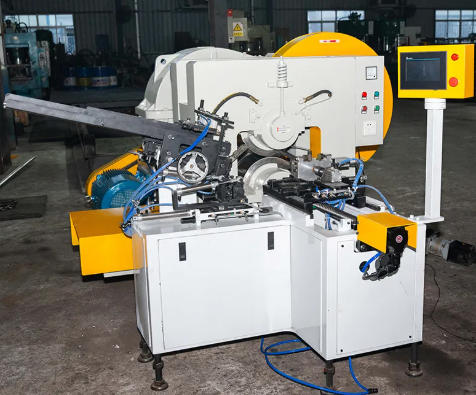
An automatic feeder system is an engineered device or assembly that delivers materials or individual parts to processing machines or assembly lines with little to no human intervention. These systems automate the feeding of components in precise, repeatable orientations and sequences, which helps uphold production continuity, minimize errors, and reduce downtime.
- Production Continuity: Keep machines running at optimal speed with minimal interruptions.
- Error Reduction: Eliminate mistakes caused by manual handling and misfeeds.
- Labor Optimization: Allow operators to focus on value-added, supervisory, and quality control tasks instead of monotonous loading work.
- Consistent Quality: Deliver perfectly oriented, defect-free parts to automated assembly, ensuring end-to-end quality control.
- Support for Industry 4.0: Collect process data, track performance, and interface with factory automation platforms.
Automatic feeders come in various designs, each suited for specific parts, production speeds, and application requirements. Here's an overview of the most prevalent feeder types:
Widely adopted for orienting and feeding small to medium-sized parts at high speed. The spiral vibrations on the bowl surface align components, making them ready for downstream operations. Typical industries include electronics, pharmaceuticals, and packaging.
Gentle conveying of parts along a horizontal path, particularly beneficial for fragile or delicate components.
Use rotating discs to accelerate, orient, and feed lightweight items, such as bottle caps or medical vials, achieving exceptionally high throughput.
Deliver irregularly shaped or bulk parts in controlled steps, minimizing jamming and part deformation.
Vision-guided, flexible systems using robotics to handle mixed or frequently changing parts. Ideal for short production runs or lines with frequent model changeovers.
Enable simultaneous feeding of multiple component types or high output for assembly processes requiring several different parts at once.
Used for high-volume delivery of simple-shaped items, lifting them vertically to supply workstations or packaging machines.
Each system's selection depends on factors such as part geometry, material, orientation needs, speed requirements, fragility, and future scalability.
Automatic feeder systems excel at eliminating production bottlenecks, especially in high-speed assembly or packaging lines. They maintain non-stop, optimal material flow, drastically reducing idle time and manual labor requirements. This persistent, error-free throughput translates to higher output and improved Overall Equipment Effectiveness (OEE).
Feeder systems are instrumental in upholding quality standards, particularly in sectors where consistency is paramount, like automotive, electronics, medical devices, and food processing. They ensure that parts arrive at the right time, in the correct orientation, and at a consistent rate, reducing false rejects and process variability.
Automating repetitive feeding tasks liberates workforce resources for higher-skilled operations, monitoring, or process improvement. The reduction in manual handling also decreases workplace injuries and repetitive strain, cultivating a safer working environment that adheres to modern health and safety regulations.
With the emergence of flexible feeders integrated with robotics and vision systems, manufacturers can now transition between product variants or models even more swiftly. Modular feeder architectures facilitate capacity upgrades or production expansion with minimal downtime and retooling costs.
Modern feeder systems with IoT sensors, monitoring tools, and digital interfaces gather and transmit vital process data. This enables real-time performance tracking, predictive maintenance alerts, and precise traceability needed for compliance with stringent industry standards and continuous improvement programs.
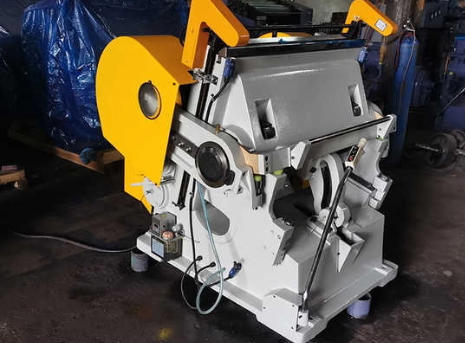
Selecting the best-fit solution requires a systematic approach:
Analyze your production environment and answer the following:
- What are the shapes, sizes, and materials of parts to be handled?
- What orientation and sequence are required for downstream operations?
- How fast must the feeder supply parts (per minute/hour/day)?
- Is the line batch-based, continuous, or subject to frequent changeovers?
Ensure the planned feeder can be integrated seamlessly with conveyors, robots, sensors, packaging solutions, or legacy machines. Account for physical space, electrical compatibility, and potential expansion.
Digitally enabled feeders offer features like production analytics, maintenance notifications, and remote troubleshooting. Confirm compatibility with your Manufacturing Execution System (MES) or Enterprise Resource Planning (ERP) infrastructure.
Choose systems that can be easily reconfigured or expanded to meet future production increases or new product introductions.
Whenever possible, pilot the new feeder system on a representative line to verify real-world performance and gather operator feedback.
Empower your operators and maintenance staff with in-depth training on setup, adjustments, troubleshooting, and periodic care to maximize uptime and investment returns.
A start-up sought to automate the feeding of metal washers for an FDA-approved medical device. The solution involved four vibratory bowl feeders with linear tracks, delivering washers consistently at 480 parts per minute. Adding hoppers for each bowl feeder ensured long, unattended operation and steady part delivery. The system, with precise buffer zones and synchronized tracks, minimized operator intervention and enabled a rapid ramp-up of production while maintaining strict quality standards.
An automotive supplier needed to automate spring feeding for a clean room subassembly line. Springs, prone to tangling in bulk, often hampered manual productivity. A vibratory parts feeder system capable of delivering 210 metal springs per minute, equipped with a detangling mechanism, solved the bottleneck. This allowed continuous, high-speed assembly with reduced errors and operator involvement.
A dual-lane centrifugal feeder system enabled a packaging plant to run multiple SKUs—such as bottle caps and vials—concurrently, retaining flexibility to adapt to seasonal demand changes. Vision-guided robotic feeders further enhanced this adaptability, enabling software-driven changeovers that took minutes rather than hours, boosting both productivity and responsiveness to customer requirements.
A flex feeder equipped with smart camera systems helped a contract electronics manufacturer handle batches with mixed parts. On detection of a new model part, the system auto-adjusted orientation and feeder parameters, reducing downtime and scrap from improper part supply.
A processor of recycled rubber installed an automated system combining a self-unloading hopper, screw conveyor, and batch mixer. The integrated control panel managed feed rates and mixing precision, producing more consistent rubber blends at reduced labor cost. The improvements in throughput and material consistency delivered a strong ROI and allowed for rapid expansion.
- Conduct Comprehensive Needs Analysis: Periodically re-map feeding requirements in step with production evolution.
- Engage Cross-Functional Teams: Involvement from engineering, quality, IT, and floor staff leads to better system fit and smoother adoption.
- Pilot on Representative Lines: Start with a pilot before scaling, allowing real-world learning and process refinement.
- Monitor and Analyze Performance Data: Use IoT capabilities to track part flow, downtime, and maintenance needs for ongoing optimization.
- Maintain Flexible Upgrades: Opt for modular add-ons and software updates to future-proof the solution.
- AI-Enabled Feeding: Artificial intelligence and machine vision boost feeder autonomy, enabling self-learning for defect detection, jam minimization, and optimal flow adjustment.
- Cloud-Based Monitoring: Remote diagnostics, firmware updates, and performance dashboards accessible via the cloud support rapid issue response and system evolution.
- Sustainable Operations: Advanced systems now focus on reducing energy consumption and waste, aligning with green manufacturing initiatives.
- Plug-and-Play Configurability: Modular hardware and intuitive software interfaces mean less downtime for commissioning and faster global rollouts.
- Cybersecurity: As digital integration deepens, robust security protocols are vital to protect proprietary production data and ensure operational integrity.
- Mismatch Between Parts and Feeder: Addressed by in-depth part analysis and custom feeder tooling.
- Integration Complexities: Minimized by involving system integrators early and prioritizing standardized interfaces.
- Resistance to Change: Mitigated through early operator training and demonstration of system benefits.
- Maintenance Oversight: Handled by scheduling preventative checks and employing IoT-based alerts.
1. Regularly revisit feeder system performance and process alignment.
2. Foster a culture of continuous improvement leveraging feeder system data.
3. Partner with experienced automation providers who offer aftersales support and rapid troubleshooting.
4. Combine feeder upgrades with broader automation or digital transformation initiatives for synergetic gains.
Investing in the right automatic feeder system is a transformative move for any manufacturer seeking ongoing process optimization, higher quality, and future-ready capabilities. These systems not only eliminate human error and waste but also support scaling up, fast changeovers, digital integration, and sustainable operations. As industries embrace Industry 4.0 and demand quick, flexible responses to market changes, the role of feeder technology will only grow more critical. By approaching feeder selection and deployment strategically and leveraging real-world case studies as learning tools, manufacturers can secure a strong competitive advantage, improve labor conditions, and achieve robust ROI from their automation investments.
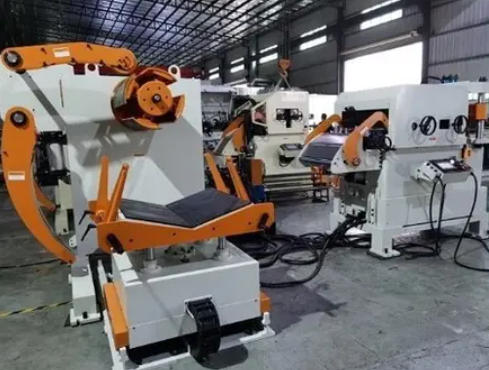
The principal types are vibratory bowl feeders, linear feeders, flex/robotic feeders, multi-lane feeders, step feeders, centrifugal feeders, elevator feeders, and integrated systems. Each suits different part shapes, applications, and throughput needs.
They automate repetitive and monotonous loading, freeing operators for higher-value process oversight, quality assurance, and continuous improvement tasks. This lowers costs and enhances job satisfaction.
Yes. Modern flex and robotic feeders, equipped with vision systems and modular controls, allow for rapid changeovers—sometimes within minutes—without major mechanical adjustments or downtime.
These systems deliver parts at controlled speeds and in precise orientation, ensuring uniform input to automated assembly or processing, thus maintaining high quality and reducing rejects.
Digital connectivity enables real-time monitoring, process analytics, predictive maintenance, and traceability, all of which are vital for smart factories and comprehensive quality management.
[1](https://www.fortvillefeeders.com/about-us/case-studies/case-studies-feeder-bowls/)
[2](https://www.hoosierfeeder.com/resources/case-studies/)
[3](https://www.vibromatic.net/case-studies/feeding-system-for-automotive-clean-room/)
[4](https://www.bellcofeeders.com/blog/case-study/metal-washer-feeder)
[5](https://www.barnworld.com/feeders/case-studies-successful-pig-feeder-implementations/)
[6](https://www.feedall.com/resources/case-studies/)
[7](https://www.fortvillefeeders.com/about-us/case-studies/)
[8](https://www.showes.com/resources-downloads/case-studies/rubber-mixing-feeding-system/)
[9](https://www.bellcofeeders.com/blog/case-study/metal-housing-bowl-feeder)
[10](https://jwmorton.com/case-studies/case-study-the-konavi-feeder/)


