
Views: 222 Author: Rebecca Publish Time: 2025-10-29 Origin: Site


Content Menu
● What Is an Automatic Feeder System?
● The Core Benefits for Cutlery Manufacturers
>> Increased Production Speed and Plant Efficiency
>> Reliability and Consistency in Quality
>> Reduction in Labor Costs and Human Error
>> Workplace Safety Enhancement
>> Adaptability, Flexibility, and Smart Factory Integration
● Integration With Modern Smart Factories
● Operational Details in Cutlery Manufacturing
● Automation and Hydraulic Press Integration
● Future-Proofing With Customization and Scalability
● Sustainability and Energy Efficiency
● Quality Control and Traceability
● Industry Challenges and Solutions
● International Trends and Export Opportunities
● Technological Synergy: Robots, Vision, and Data
● FAQ
>> 1. What key problem does an automatic feeder solve for cutlery makers?
>> 2. Are automatic feeder systems suitable for all cutlery types?
>> 3. How do feeders impact workplace safety?
>> 4. What is the ROI for investing in an automatic feeder system?
>> 5. Can automatic feeders be integrated with other robotics or smart factory systems?
The rise of the automatic feeder system marks a pivotal shift in how cutlery is manufactured. Traditional practices, heavily reliant on manual labor, have become inefficient and expensive in the face of modern challenges, such as escalating demand, labor shortages, and the pursuit of higher quality standards. Automatic feeder systems have not only streamlined production but have also set new benchmarks for precision, safety, and adaptability across the industry.
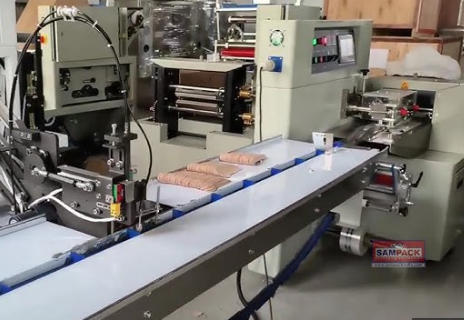
An automatic feeder system is a mechanical device designed to supply raw materials or cutlery blanks directly into production machines. These systems replace manual feeding, thereby enabling continuous, consistent, and precise transitions of materials between various production stages, including pressing, trimming, embossing, polishing, and even packaging. There are two principal types of automatic feeder systems:
- Standard Automatic Feeders: These rely on motors and mechanical components for straightforward, high-speed feeding.
- Servo Feeder Systems: Utilizing advanced servos and programmable controls, these deliver high-precision, flexible feeding—essential for multi-stage production lines and diverse product needs.
Automatic feeders can process between 28 to 55 pieces per minute depending on the production segment, such as presses or cross rollers. By ensuring a stable supply of materials and minimizing downtime, factories can now run 24/7, reach higher output rates, and scale their operations to meet international demands.
A key strength of automatic feeder systems is their ability to deliver each cutlery blank in the ideal position, orientation, and at a controlled speed. This uniformity is crucial in stamping, trimming, and embossing, ensuring the finished product meets stringent quality standards with minimal waste and defects.
With feeder systems in place, a single trained operator can manage multiple lines, making large-scale operations less labor-intensive. Shifting the labor requirements to supervisory and technical roles results in both lower per-unit costs and a reduction in human errors affecting the final product.
Manual feeding involves risks, including repetitive strain injuries and hazards from machinery. Automatic feeders mitigate these dangers through built-in safety interlocks, sensors, and optimized operating procedures. Not only are fewer employees needed in risky zones, but the overall work environment becomes safer and more compliant with regulations.
Modern feeder systems support fast changeover, modular upgrades, and programmable features. They are compatible with a broad range of cutlery shapes, sizes, and stainless steel grades. The integration with robotics, machine vision, and IIoT platforms supports real-time monitoring, remote diagnostics, and fully flexible batch production—hallmarks of smart manufacturing.
Automatic feeder systems play a central role in smart factories, leveraging advanced sensors, cloud connectivity, and robotics for a seamless flow of materials and instant responsiveness to production changes. The result is unmatched efficiency and the ability to deliver high-mix, low-volume production runs economically.
Key features include:
- Batch programming and rapid part switching
- Machine vision for automatic inspection and sorting
- IIoT integration for real-time equipment status and predictive maintenance
Recent technical advancements have produced intelligent automatic feeder systems capable of self-adjusting in response to production feedback. Examples include:
- Intelligent Sensor Arrays: Detect material dimensions, position, and orientation to optimize feeding routines.
- Collaborative Robots: Partner with feeders to handle specialized tasks, such as gentle transferring or handling uniquely shaped knives and forks.
- Modular Design: Allows for quick adaptation to new product types without extensive retooling.
Case studies show manufacturers achieving over 35% increases in production output, 50% reductions in manpower requirements, and significantly elevated quality standards after adopting automatic feeder systems.
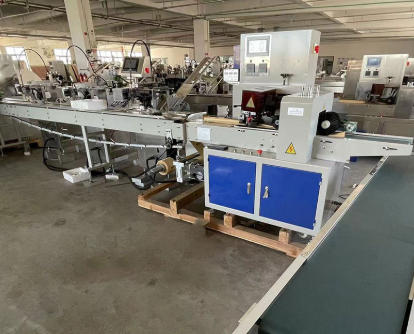
Automatic feeders are essential at every stage of cutlery manufacturing:
| Production Stage | Feeder Type | Key Function |
|---|---|---|
| Raw material feeding | Press machine feeders | Supply stainless steel sheets |
| Cutting and trimming | Knife trimming feeders | Precisely feed blanks for shaping |
| Embossing | Decorative feeders | Position handles for embellishment |
| Polishing and finishing | Polishing feeders | Present cutlery for shine and smoothing |
| Packaging | Packaging feeders | Sort and organize flatware for boxed shipping |
With innovations like touch-screen controls, digital feedback systems, and energy-efficient motors, modern feeders deliver sustainable performance while maintaining the flexibility needed for both small-batch and large-volume operations.
Pairing automatic feeders with hydraulic presses allows cutlery production to become nearly autonomous. Raw materials are supplied precisely, stamped, trimmed, and transferred between workstations with minimal human intervention. The cycle time is greatly reduced, labor costs drop, and material waste is minimized. High-end presses now feature upgraded electrical configurations, touchscreen controls, and advanced guide rails for smoother operation and easier diagnostics.
As consumers demand more variety, including customized shapes, finishes, and eco-friendly materials, automatic feeder systems provide essential customization features:
- Programmable feeding patterns for unique shapes and limited-run specials.
- Modular trays or bowls for rapid changeover.
- Compatibility with collaborative robots and AI-driven sorting for high-mix environments.
This flexibility ensures manufacturers remain competitive as market trends shift, regulations evolve, and customer preferences diversify.
Many modern feeders use motors with low energy consumption and precise material handling to limit scrap and excess usage. Lean production principles are more easily implemented, and factories can meet environmental mandates while maintaining profitability.
Automatic feeder systems improve traceability, enabling manufacturers to track each batch, monitor line performance, and quickly identify any deviations in output quality. Machine vision systems scan and analyze each piece in real-time, further enhancing quality assurance protocols.
Despite impressive gains, manufacturers must address:
- Initial Investment Cost: Automation investments are high, but return on investment is typically swift due to labor and efficiency savings.
- Employee Training: Operators need technical skills to handle modern feeder systems, requiring investment in ongoing training.
- Maintenance and Upgrades: Regular maintenance and software updates are essential to maintain peak performance and reliability.
Careful vendor selection, custom equipment design, and investment in employee education are key strategies for overcoming these challenges.
With growing demand for high-quality cutlery worldwide, especially in hospitality, restaurant, and household sectors, manufacturers benefit enormously from automation. Production lines can be quickly adapted to meet export requirements, including different shapes, logo embossing, packaging variations, and eco-friendly raw materials.
Automated feeding not only improves consistency but also supports complex export compliance protocols with reliable data tracking and reporting.
The most forward-thinking manufacturers are pairing automatic feeders with collaborative robots and sophisticated vision systems. This trinity delivers:
- Automated bin picking controlled by AI, reducing setup times
- Real-time defect detection and rejection of non-conforming items
- Data collection and analytics for operational improvements
These innovations ensure cutlery factories remain efficient, competitive, and responsive to market needs.
Automatic feeder systems have fundamentally transformed cutlery manufacturing, delivering unprecedented speed, efficiency, precision, and safety. Their ability to support smart factory integration, product customization, and sustainability goals sets new industry standards. As manufacturers embrace this technology, they position themselves for long-term competitiveness, operational excellence, and the ability to scale alongside the evolving demands of global markets.
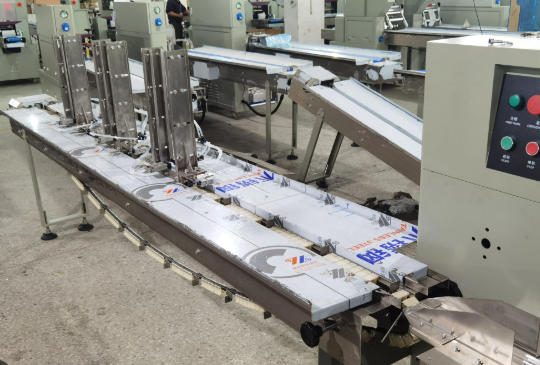
Automatic feeder systems eliminate manual feeding tasks, increasing speed, reducing human error, and providing consistent orientation for production, which boosts efficiency and product uniformity.
Yes, modern systems are customizable and can be adapted for different sizes, shapes, and materials of cutlery, ranging from stainless steel spoons and forks to knives and more specialized tableware.
By automating the feeding process and minimizing manual handling, feeders reduce risks of workplace accidents, including repetitive strain injuries and accidents involving heavy equipment.
Most manufacturers experience rapid ROI as feeders reduce labor costs, improve productivity, minimize downtime, and cut scrap rates. Payback periods vary based on production volume and existing infrastructure.
Absolutely. Feeders can work with robotics, cloud-based monitoring, and machine vision for inspection and process optimization, providing full transparency and flexibility in smart manufacturing environments.


