
Views: 222 Author: Rebecca Publish Time: 2025-11-11 Origin: Site


Content Menu
● What Is an Automatic Feeder System?
>> Common Automatic Feeder System Types
● Technology Evolution and Key Features
● Applications Across Industries
● Labor Reduction and Workforce Transformation
● Improved Quality, Consistency, and Safety
● Economic and Environmental Impact
>> Cost Savings
>> Environmental Sustainability
● Case Studies: Agricultural Innovations
● Challenges and Future Directions
● Practical Tips for Successful Implementation
● FAQ
>> 1. What main types of automatic feeder systems are used in production?
>> 2. How do automatic feeder systems cut labor costs?
>> 3. Can feeder systems improve product and output quality?
>> 4. Are automatic feeder systems suitable for large-scale and small-scale applications?
>> 5. What should businesses consider before implementing these systems?
Today's manufacturing and agricultural landscapes are defined by the relentless pursuit of efficiency and continuous automation. At the heart of these advancements is the automatic feeder system, a technology that systematically delivers materials, components, or nutrition with precision and minimal human intervention. This innovation is a cornerstone for operations seeking to streamline workflows, boost productivity, and ensure consistent quality—all while significantly reducing manual labor demands.
This comprehensive article explores the technical foundation, varieties, proven applications, economic impacts, and transformative effects of automatic feeder systems across diverse industries. Deep dives into technology evolution, practical integration, and future trends offer an in-depth perspective for businesses, engineers, and agricultural professionals aspiring to modernize their processes.
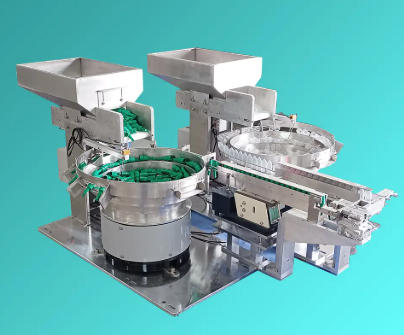
Automatic feeder systems are engineered devices designed to handle the transport, allocation, and delivery of products or feed to a predetermined location, usually an assembly machine, vehicular line, or livestock pen. These systems typically rely on a combination of mechanical action, sensors, robotics, and software controls. Once programmed, they can operate independently, methodically replenishing raw materials or distributing feed without constant manual oversight.
- Vibratory Bowl Feeders: These use vibration to sort and orient small parts toward machineries, such as screws, bottle caps, or electronic components.
- Centrifugal Feeders: Ideal for lightweight and delicate items that require high-speed handling.
- Linear Conveyors: Move goods or components in a sequenced manner across stages of a manufacturing process or into packaging cells.
- Robotic Flex Feeders: Employ machine vision and programmable robots, allowing flexibility for frequent part changes or customized production batches.
- Automated Livestock Feeders: Utilize mechanized mixing, weighing, and timed supply mechanisms to deliver tailored nutrition to different groups of animals.
The era of Industry 4.0 has propelled automatic feeder systems to new levels of sophistication. Integrating programmable logic controllers (PLCs), advanced sensors, and Internet of Things (IoT) connectivity, modern feeder systems trigger precise movements, automated dosing, and real-time error monitoring.
- Vision-Guided Robotics: Cameras linked to software algorithms enable robotic systems to identify and select parts based on shape, orientation, or color, vastly improving efficiency in sorting and assembly.
- Cloud-Based Analytics: Collected data on consumption rates, refills, and process timings can be sent to cloud dashboards, enabling supervisors to track productivity and predict maintenance.
- Programmable Feeding Schedules: Particularly in agriculture, automated feeding robots can dispense specific mixtures of nutrients at exact intervals, optimizing animal growth and reducing waste.
Manufacturers rely heavily on automated feeders to advance assembly lines for automotive, electronics, medical devices, and consumer products. Systems are configured to adapt quickly to changes in production batches or part types, essentially supporting mass customization.
Key benefits for manufacturing include:
- Streamlined material handling and part positioning.
- Consistent throughput and reduced defect rates.
- Support for 24/7, lights-out production environments.
Automatic feeder systems have revolutionized farming operations. Feed robots in dairy barns and pig pens precisely weigh and dispense nutrition, adapting recipes to group needs and timing.
Major advantages in agriculture encompass:
- Significant reduction in manual feed dispensing labor.
- Precise and consistent nutrition for improved animal health.
- Enhanced sustainability via waste minimization, feed usage tracking, and scheduled supply.
In food production facilities, automatic feeders handle bulk ingredients, seamlessly moving items from baking ovens, conveyors, and packaging machines. By reducing manual handling, they lower contamination risk and ensure strict adherence to hygiene protocols.
The fusion of automated feed systems with real-time data analytics and AI has enabled the era of smart farming, where feed intake and animal welfare are optimized using constant data feedback. Sensors monitor consumption patterns and environmental factors, adjusting feeding schedules and compositions to ensure each animal's specific needs are met.
- Precision Agriculture: By integrating feed intake monitoring and automated delivery, farms maximize resource utilization, boost output, and lean into sustainable practices.
Automatic feeder systems drastically cut the need for repetitive manual labor. Instead of staff spending hours sorting parts or distributing feed, employees can focus on higher-value activities:
- System supervision and maintenance, ensuring reliability and performance.
- Quality control, analytics, and process optimization.
- Animal care, farm management, or expansion opportunities.
For many businesses, labor savings translate into hundreds or thousands of hours per year that can be reallocated toward strategic growth or diversification.
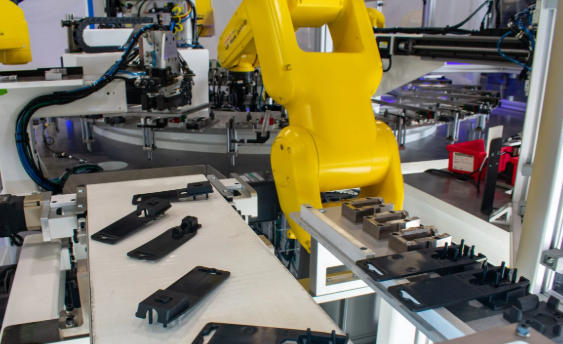
Automated feeders deliver unmatched repeatability, ensuring each product is handled, assembled, or fed to exact specifications. With reduced human error and variance, product quality improves and workplace safety is enhanced. In livestock feeding, uniform delivery prevents overeating, minimizes digestive issues, and promotes overall animal welfare.
- Labor Reduction: Lower staffing needs drive down operating costs.
- Material Waste Minimization: Accurate dosages prevent excess usage, reducing expenditure on raw materials and feed.
- Operational Continuity: Automated systems operate round-the-clock, maximizing equipment utilization and output.
Feeder systems contribute to environmental goals through:
- Reduced waste and run-off in agriculture, resulting in cleaner water and soil.
- Optimized energy consumption in manufacturing, lowering carbon footprints.
- Enhanced traceability, enabling data-driven progress toward sustainability standards.
A recent focus on smart feeder systems has empowered small and mid-sized farms to leverage technology previously reserved for large-scale operations. For example, newly developed cattle feeding systems combine affordable storage hoppers, automated recipe management, and continuous mixing tools to feed hundreds or thousands of livestock efficiently. Farmers involved in these projects have reported:
- Halving of manual feed handling time.
- Noticeable reduction in feed loss.
- Increased ability to focus on business expansion, diversification, and community involvement.
- Improved uniformity and nutritional value of feed mixtures, supporting animal growth and profitability.
While automatic feeder systems bring substantial benefits, adoption requires overcoming a few hurdles:
- Integration with legacy equipment and processes.
- Initial capital investment, though long-term savings are significant.
- Training and change management for workers transitioning to supervisory and analytical roles.
Emerging trends include:
- Increased use of AI and machine learning for predictive maintenance and inventory management.
- Expansion of automation into niche industries and laboratory environments.
- Continued innovation toward intuitive interfaces, remote monitoring, and energy-efficient designs.
- Conduct a Thorough Needs Assessment: Analyze feed or material flow requirements, volume, and frequency to choose the optimal feeder type and configuration.
- Invest in Staff Training: Empower team members to monitor, adjust, and maintain the system, ensuring long-term efficiency.
- Integrate Data Management: Enable cloud reporting and analytics for oversight, compliance, and continuous improvement.
- Prioritize Simplicity and Maintainability: Select durable, easily serviced systems with minimal moving parts to reduce downtime.
Automatic feeder systems represent a quantum leap in operational efficiency, quality assurance, and workforce management. Their deployment in manufacturing, agriculture, and food processing has yielded consistent productivity gains, minimized costs, and created data-driven environments conducive to sustained growth. As innovation continues to drive new features and applications, automatic feeders are set to remain an indispensable pillar of smart, sustainable, and competitive production.

Common types include vibratory bowl feeders for small parts, centrifugal feeders for fragile items, linear conveyors for steady movement, robotic flex feeders for customization, and mechanized livestock feed dispensers for agricultural operations.
By automating repetitive and physically demanding tasks, these systems free workers for strategic roles while enabling companies to operate longer production cycles with fewer staff.
Absolutely. Automated feeders deliver precise dosing, high repeatability, and real-time error monitoring for consistent results in both product manufacturing and animal health.
Yes. Modern systems are scalable and can be tailored for small farms, local assembly shops, or large industrial facilities, optimizing production regardless of scale.
Key considerations are identifying required system capacity, compatibility with existing equipment, ROI projections, and investing in staff training to ensure smooth adoption and long-term benefits.


