
Views: 222 Author: Rebecca Publish Time: 2025-11-09 Origin: Site


Content Menu
● What Is An Automatic Feeder System?
● Key Benefits of Automatic Feeder Systems
>> Enhanced Production Efficiency
>> Labor Cost Reduction & Improved Safety
>> Flexibility, Scalability, and Batch Customization
>> Sustainability and Resource Savings
>> 24/7 Operations and Just-In-Time Manufacturing
>> Protection of Machinery and Tooling
● Practical Applications in Cutlery Manufacturing
>> Polishing and Finishing Lines
● Advanced Features and Innovations in Feeder Systems
>> Modular & Upgradeable Design
>> Integration with Robotics and AI
● Case Studies: Industry Success Stories
● Challenges and Considerations
>> Technical Training and Support
>> Quality Assurance Protocols
● Future Trends in Cutlery Manufacturing
>> Smart Manufacturing and Industry 4.0
>> Sustainability and Eco-Innovation
>> Customization and Batch Flexibility
>> Occupational Safety and Ergonomics
● Integration: Building a Modern Production Line
● FAQ
>> 1. How does an automatic feeder system increase production speed?
>> 2. What quality benefits do automatic feeders offer in cutlery manufacturing?
>> 3. Are automatic feeder systems suitable for small and custom runs?
>> 4. How do automatic feeders improve workplace safety?
>> 5. What is the typical ROI for automatic feeder system implementation?
Cutlery production is a complex sequence that demands efficiency, precision, and reliable quality. As global demand for stainless steel, disposable, and specialty cutlery surges, manufacturers must seek new ways to increase output while assuring consistently excellent products. One technology leading this transformation is the automatic feeder system. Its application marks a significant leap for production facilities eager to modernize, automate, and outperform competitors.
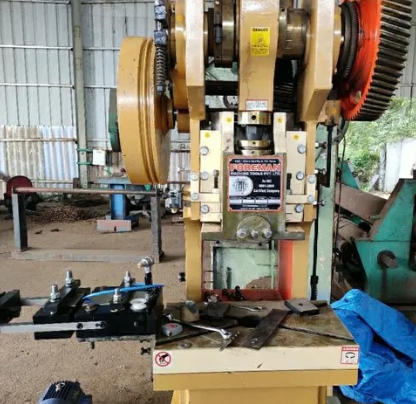
An automatic feeder system is an industrial mechanism designed to consistently deliver raw materials or semi-finished components to the next stage of production. This can include metal blanks, plastic handles, or finished cutlery pieces delivered to processes like forming, punching, polishing, assembling, and packaging. These systems use sensors, servo motors, programmable logic controllers, and touch interfaces to ensure precise, customizable operation across diverse cutlery production lines.
Modern feeder systems can deliver thousands of components per hour at consistent intervals, directly eliminating manual interruptions and maximizing overall factory throughput. Operators report substantial increases in speed and productivity, sometimes boosting output by 30–45% within the first year after installation. Automatic feeders minimize downtime by reducing jams, misfeeds, and errors, ensuring production runs remain continuous and predictable.
With programmable feeding and integrated inspection features, automatic feeders virtually eliminate human error in component delivery and orientation. Machine vision and sensor technologies reject defective items at the entry point, while precise feeding ensures each item undergoes identical shaping, pressing, and finishing. This translates into cutlery pieces with uniform dimensions, smooth finishes, and consistent strength—products that readily meet the highest standards in global markets.
Automation reduces the need for labor-intensive manual feeding, which not only decreases payroll expenses but also supports a safer workplace. Workers are no longer exposed to repetitive strain or hazardous handling of metal blanks and sharp-edged components. Instead, staff can monitor feeder stations, focus on quality control, or manage multiple lines simultaneously, driving job enrichment and better morale.
Automatic feeder systems are designed for versatility. Factories can rapidly reconfigure feeders for diverse production runs, from mass-market utensils to custom bridal sets or eco-conscious disposables. Modular designs allow swift changeovers between cutlery types, materials, and finishing processes. This flexibility enables manufacturers to respond to changing customer needs, seasonal demand, and market trends faster than ever before.
Sustainability is increasingly vital in manufacturing. Automatic feeders support this by optimizing material usage—precise feeding reduces scrap rates, protects expensive dies and tooling, and minimizes energy consumption. Systems can handle recycled metals and biodegradable plastics, supporting zero-waste initiatives and helping factories meet stringent environmental standards.
With minimal operator intervention needed, plants equipped with automatic feeders can operate around the clock, managing multiple shifts or continuous production. Such systems support just-in-time supply strategies, reducing the need for large inventories and helping companies remain agile amidst fluctuating market demands.
Consistent feeding in stamping and forming processes not only safeguards the finished product but also protects expensive dies and machinery from damage due to jams, misfeeds, or misaligned components. Over time, manufacturers experience fewer breakdowns, lower maintenance costs, and longer equipment lifespans.
Automatic feeders reliably deliver metal blanks to stamping presses, ensuring every spoon, fork, or knife is flawlessly cut and shaped. This continuous and error-free supply of components means improved tool life and reduced scrap rates.
Feeders manage the precision delivery of components to forming machines, guaranteeing consistent utensil shapes and dimensions—especially critical for specialty cutlery with decorative or ergonomic designs.
Once formed, cutlery pieces are queued for polishing via feeder systems. This ensures a consistent surface finish—vital for consumer appeal and hygiene—in high-volume production environments.
After final inspection, automatic feeders convey products into robotic packaging lines, preparing cutlery for shipping with minimal manual input. This results in faster order fulfillment and improved traceability.
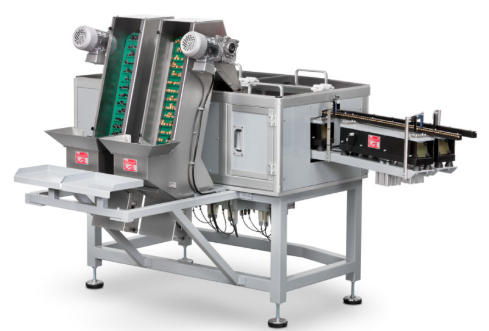
Many modern feeder platforms are modular. This allows quick upgrades as new requirements emerge—whether to add quality control features, handle different materials, or scale up for larger batches.
State-of-the-art feeders can integrate seamlessly with robotic assembly, packaging, or decorating lines. Artificial intelligence solutions monitor real-time operational data, adapting feed rates and parameters to match evolving production needs and predict maintenance scheduling.
Today's feeders handle not only traditional stainless steel but also newer materials such as ceramics, bamboo, and bioplastics. Factories gain the flexibility to produce specialty cutlery for niche markets or sustainability-focused consumers.
Connected to enterprise resource planning (ERP) software and IoT platforms, feeder systems share operational data for continuous improvement, traceability, and supply chain optimization. This is crucial for compliance tracking and automated cost analysis.
Factories across Europe and Asia have demonstrated dramatic improvements following automatic feeder system installation:
- Stainless steel cutlery producers saw throughput increase by 35% and labor costs slashed by 25%, all while safety incidents dropped to zero over the first year.
- Disposable cutlery manufacturers reduced waste and improved batch consistency, earning prestigious sustainability certifications in green manufacturing.
- Small batch producers leveraged modular feeders to offer personalized engraved sets and custom packaging, expanding into new high-value markets.
These results underscore the transformative power of automation—not only for mass-production giants but also for agile, market-driven companies.
Automatic feeder systems require a substantial upfront investment, including not only equipment costs but also installation, employee training, and integration with existing lines.
Operators must be trained to monitor, troubleshoot, and optimize feeder system performance. Ongoing support and predictive maintenance are essential for long-term reliability and productivity.
Successful adoption hinges on seamless integration between feeder systems and other line equipment, like stamping presses, forming machines, and packing robots. Custom automation engineering and professional installation are key to maximizing benefits.
While feeder system technology minimizes errors, human oversight remains crucial—regular audits, data analysis, and adaptive programming help maintain strict quality targets and process controls.
Automatic feeders are converging with digital platforms, robotics, and cloud-based analytics in smart factories. These systems:
- Share real-time metrics for predictive maintenance and production scheduling.
- Adjust feeding rates automatically using AI algorithms to minimize downtime.
- Provide full traceability from raw materials to finished goods for compliance and customer assurance.
Future feeder designs are increasingly focused on handling recycled metals, bioplastics, and renewable materials. This not only supports green manufacturing goals but also opens up new product markets.
Enhanced flexibility allows factories to capitalize on customization trends—quickly switching feeder setups for special events, promotional lines, or small batch orders.
Ergonomic designs and automated controls continue to reduce physical risks for employees. Remote monitoring, data analytics, and smart alerts ensure safety is always a priority.
To fully harness the advantages of automatic feeder systems, manufacturers should:
- Assess production bottlenecks and identify where feeders yield the greatest return.
- Prioritize feeder platforms that are modular, scalable, and equipped with advanced inspection and connectivity.
- Train production engineers and operators in system operation, monitoring, and rapid troubleshooting.
- Invest in process integration to ensure seamless communication between feeder units, robotics, and digital management tools.
- Focus on sustainability, seeking feeders that optimize resource use and support environmentally compliant production.
Implementing automatic feeder systems is more than an operational upgrade—it's a strategic move that can redefine product quality, cost efficiency, workplace safety, and the ability to respond to rapid market change. Whether operating a large industrial facility or growing a specialty brand, the right feeder system ensures continuous improvement, global competitiveness, and long-term success.
The benefits of using an automatic feeder system in cutlery production are profound and multifaceted. Increased speed, consistent quality, robust safety protocols, dramatic labor savings, and sustainable practices are just a few of the gains. Forward-thinking manufacturers that invest in automation not only streamline operations but also position themselves for expanded market share, enhanced brand reputation, and futureproofed success. As technology evolves, feeder systems anchored in smart manufacturing will drive the next generation of high-quality, efficient, and eco-friendly cutlery products.
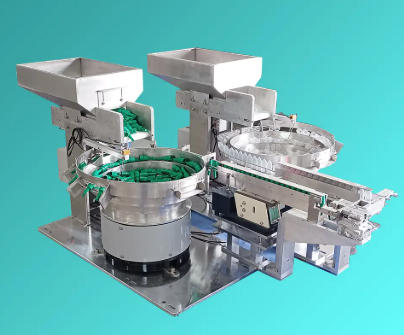
Automatic feeders deliver materials at high speed and in precise orientations, eliminating manual bottlenecks and enabling continuous production across multiple shifts. This dramatically boosts output and reduces downtime.
Automated feeding ensures every component is positioned and processed accurately, minimizing defects and delivering cutlery that meets stringent quality standards for both mass and specialty production.
Yes. Modular, programmable designs allow rapid changeovers between batch sizes, shapes, or materials, supporting everything from high-volume outputs to niche, customized products.
By automating dangerous or repetitive feeding tasks, these systems protect workers from injuries and exposure to hazardous materials. Staff monitor operations remotely or at single control points.
Factories often recoup investment in 12–24 months via labor savings, increased throughput, lower scrap rates, and reduced maintenance costs—making feeders a financially sound decision.


